Nobody does ghost stories quite like the Victorians. Perhaps it’s because death infiltrated every aspect of Victorian life: people died at home, they were buried in over-flowing graveyards, disease was rife, putrescence was prevalent, grave-digging was real and public mourning was ritual. I consider the Victorians as a society to have a much more intimate understanding of death than we will ever have.
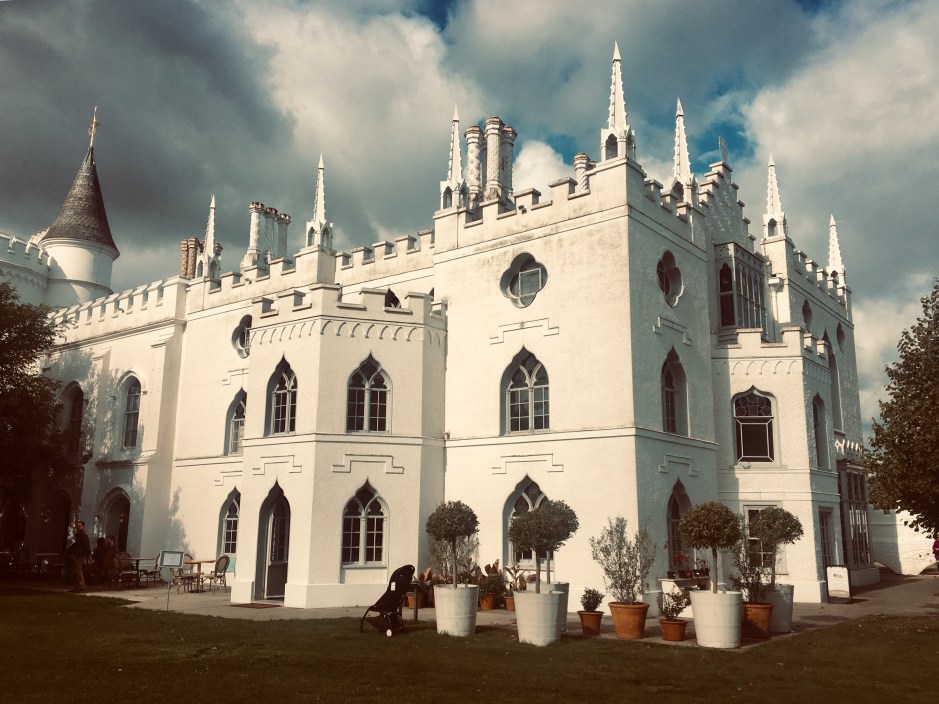
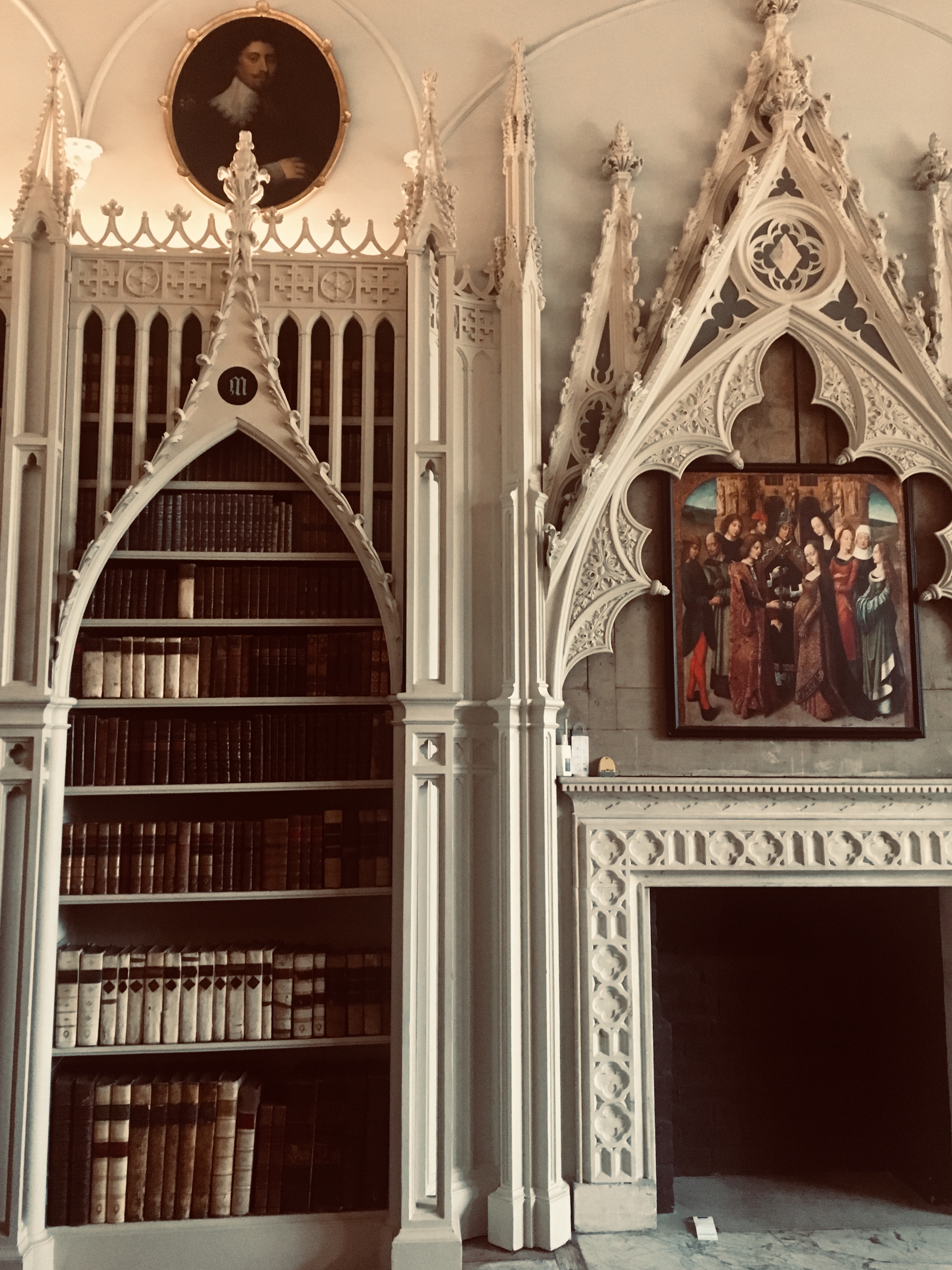
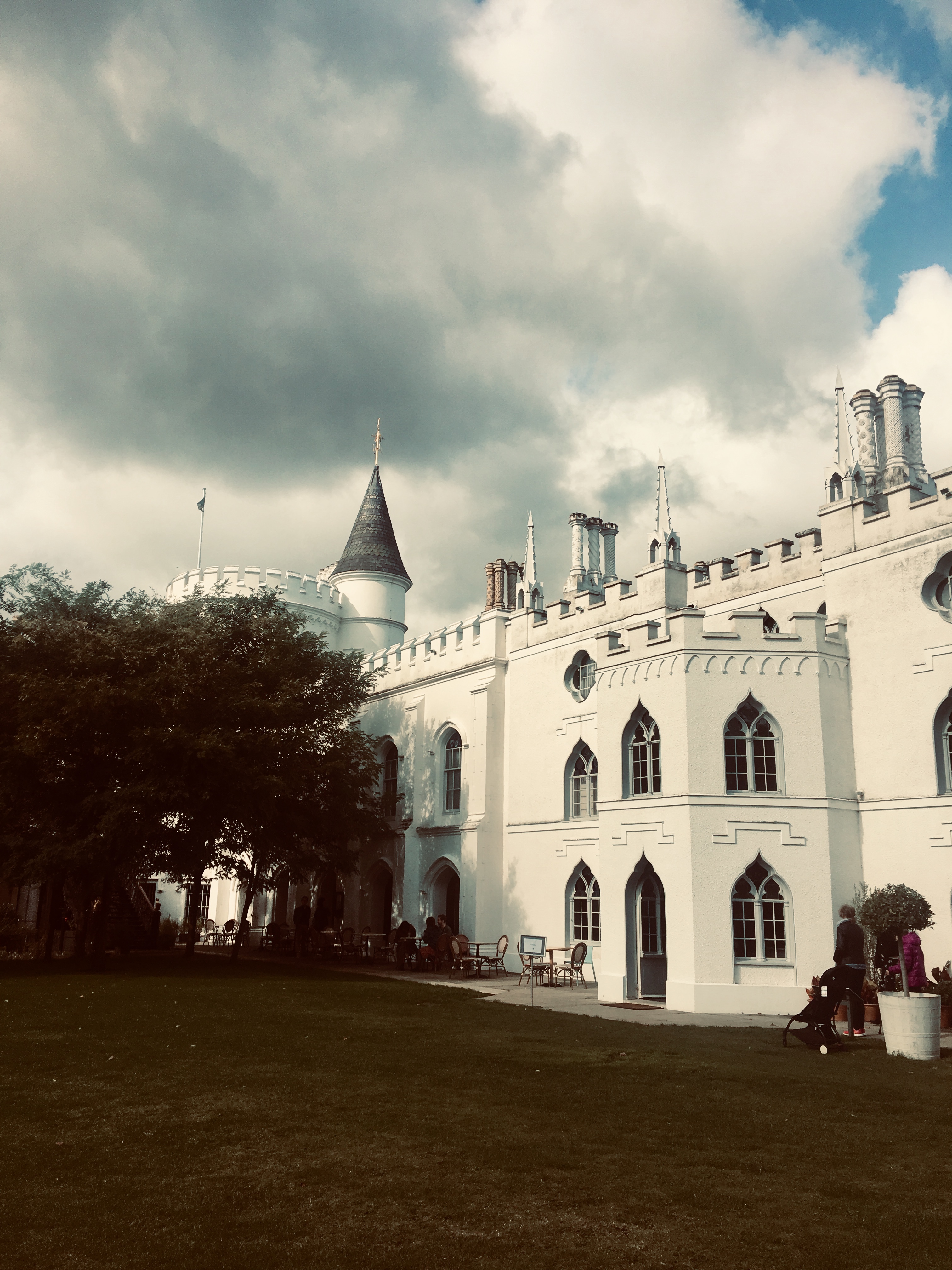
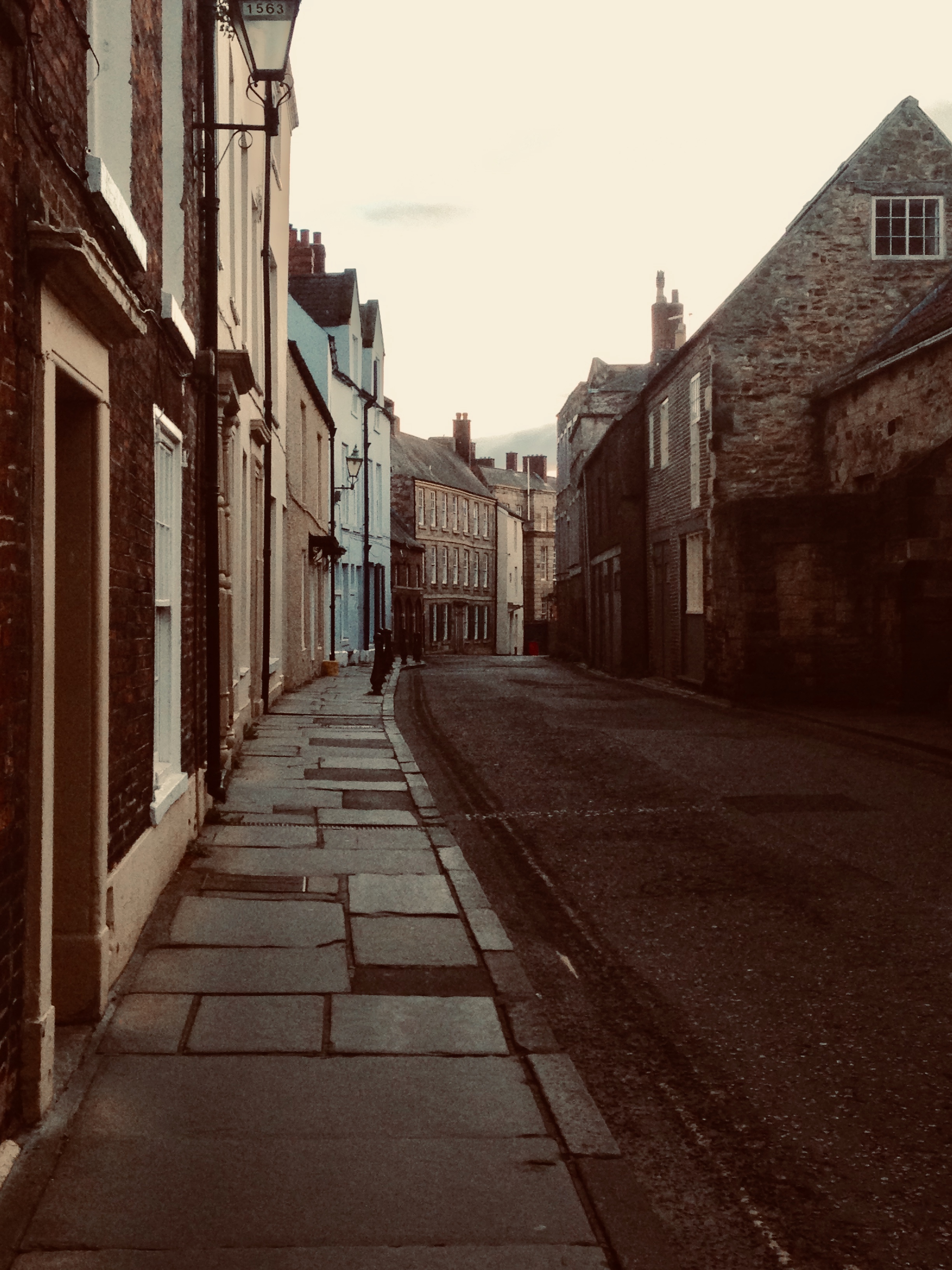
But the aptitude of nineteenth-century authors to flourish in capturing everything sinister, supernatural and suspenseful could also be down to the rise of the Gothic. The growth and popularity of Gothic architecture and Gothic literature in the 1800s went hand in hand. It is best to clarify that Gothic architecture originated in the middle ages: think medieval cathedrals, spires, rose windows, flying buttresses, gargoyles – the works. This architectural style came back in fashion in the late 1700s and was retitled High Victorian Gothic, or Gothic Revival. Enter contemporary buildings in the medieval Gothic style: Strawberry Hill House (1749) and the Houses of Parliament (1835), amongst others.
Another layer to add to this context is the growth of the urban space. Cities were where social realms collided. Poverty-stricken slums backed on to aristocratic townhouses, crime flourished and diseases spread while petticoated-women ambled through Regent’s Park. The city was the underbelly, and the manifestation of all the upper classes’s irrational fears came to fruition: sickness, filth and crime – quite literarally all just around the corner.
Combine all three – proximity to death, Gothic revival and urban anxieties – however, and the elements that constitute an unparalleled ghost story come together: death, suspense, superstition, fear. It’s the perfect concoction.
Below are listed my favourite tales of the nineteenth century, from short stories to poems, these tales trap spectres on the page and allow readers to delight in the supernatural suspense over and over again.
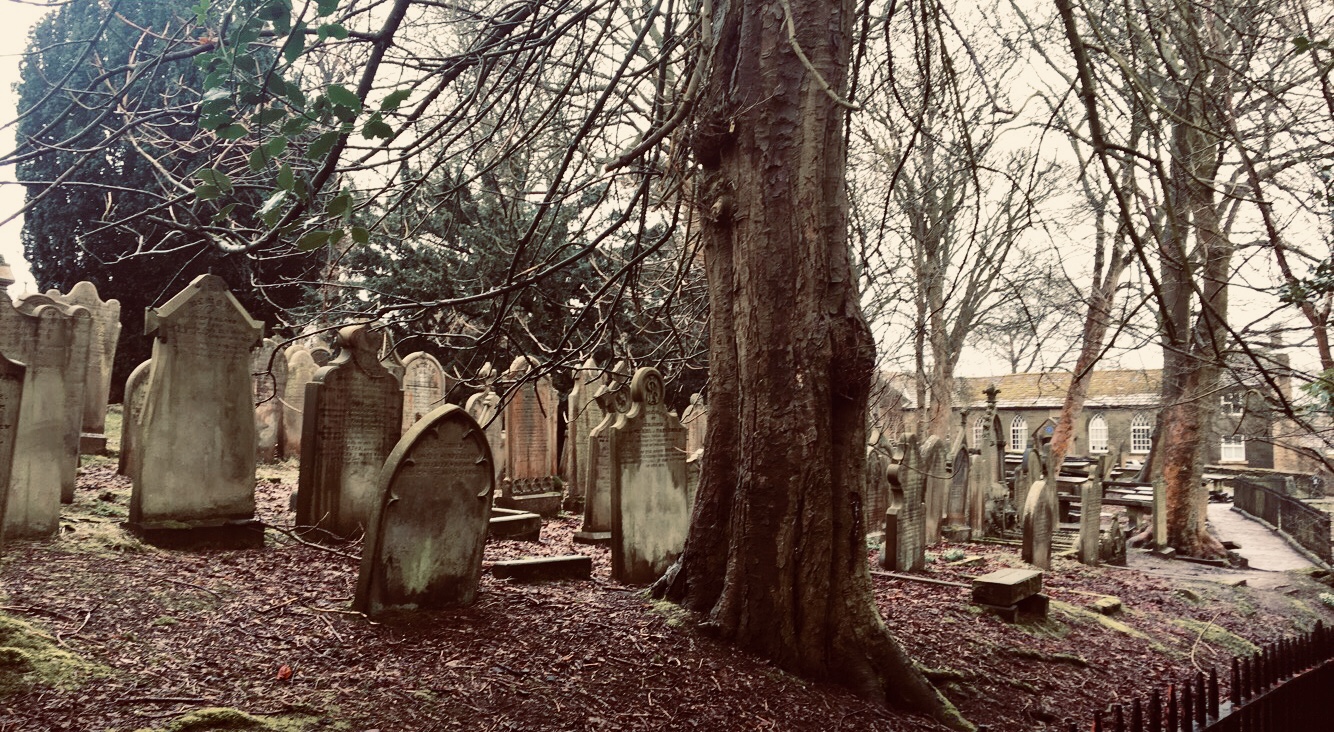
1 Wuthering Heights, Emily Brontë (1847)
“Catherine Earnshaw, may you not rest as long as I am living; you said I killed you—haunt me, then! The murdered do haunt their murderers, I believe. I know that ghosts have wandered on earth. Be with me always—take any form—drive me mad! Only do not leave me in this abyss, where I cannot find you! Oh, God! it is unutterable! I cannot live without my life! I cannot live without my soul!”
2 Turn of the Screw, Henry James (1898)
“There had been a moment when I believed I recognized, faint and far, the cry of a child; there had been another when I found myself just consciously starting as at the passage, before my door, of a light footstep. But these fancies were not marked enough not to be thrown off, and it is only in the light, or the gloom, I should rather say, of other and subsequent matters that they now come back to me.“
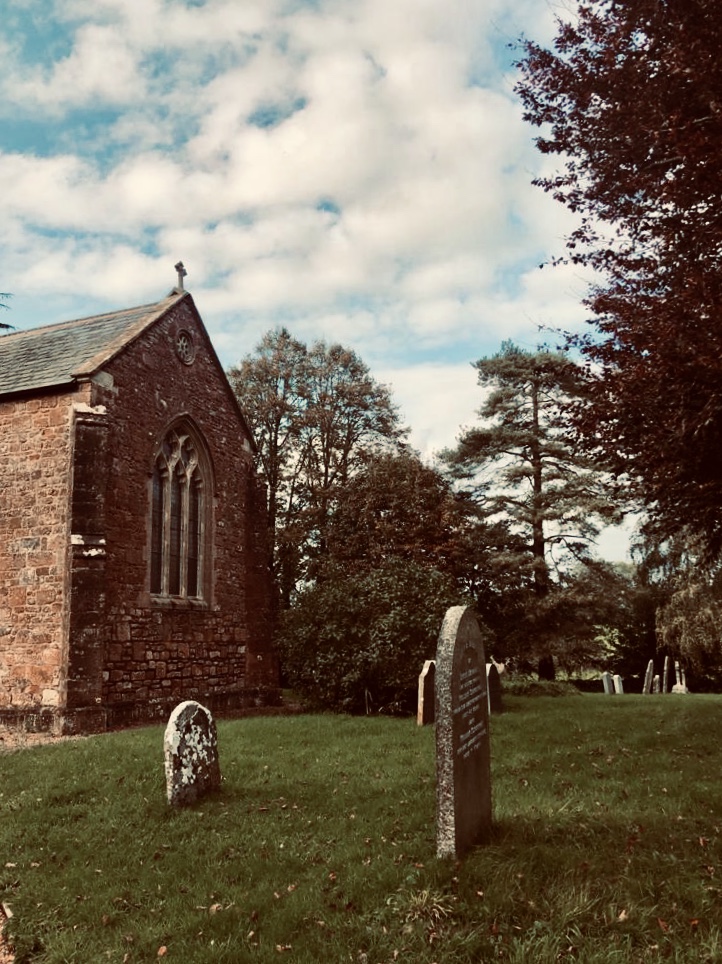
3 The Old Nurses Story, Elizabeth Gaskell (1852)
“I turned towards the long, narrow windows, and there, sure enough, I saw a little girl, less than my Miss Rosamond dressed all unfit to be out-of-doors such a bitter night – crying, and beating against the windowpanes, as if she wanted to be let in. She seemed to sob and wail, till Miss Rosamond could bear it no longer, and was flying to the door to open it, when, all of a sudden, and close upon us, the great organ pealed out so loud and thundering, it fairly made me tremble; and all the more, when I remembered me that, even in the stillness of that dead-cold weather, I had heard no sound of little battering hands upon the window-glass, although the Phantom Child had seemed to put forth all its force; and, although I had seen it wail and cry, no faintest touch of sound had fallen upon my ears.“
4 Thrawn Janet, Robert Louis Stevenson (1881)
“By this time the foot was comin’ through the passage for the door; he could hear a hand skirt alang the wa’, as if the fearsome thing was feelin’ for its way. The saughs tossed an’ maned thegether, a lang sigh cam’ ower the hills, the flame o’ the can’le was blawn aboot; an’ there stood the corp of Thrawn Janet, wi’ her grogram goun an’ her black mutch, wi’ the heid aye upon the shouther, an’ the girn still upon the face o’t—leevin’, ye wad hae said—deid, as Mr. Soulis weel kenned—upon the threshold o’ the manse.”
5 A Christmas Carol, Charles Dickens (1843)
“The bells ceased as they had begun, together. They were succeeded by a clanking noise, deep down below; as if some person were dragging a heavy chain over the casks in the wine-merchant’s cellar. Scrooge then remembered to have heard that ghosts in haunted houses were described as dragging chains.”
6 Ghosts, Emily Dickinson (1924)
One need not be a chamber to be haunted,
One need not be a house;
The brain has corridors surpassing
Material place.
Far safer, of a midnight meeting
External ghost,
Than an interior confronting
That whiter host.
Far safer through an Abbey gallop,
The stones achase,
Than, moonless, one’s own self encounter
In lonesome place.
Ourself, behind ourself concealed,
Should startle most;
Assassin, hid in our apartment,
Be horror’s least.
The prudent carries a revolver,
He bolts the door,
O’erlooking a superior spectre
More near.
All pictures are my own unless otherwise credited. Permission must be obtained before any reproduction and credit must be issued in any reproduction.
 Under The Cypress Tree