The thought of road tripping instantly conjures images of captivating scenery, romantic getaways, impulsive decision-making as well as notions of freedom, escape and exploration. Anyone who has ever been on a road trip, however, will know that there will also be long stretches of motorway, frustrating wrong turns and the craving for a proper meal, not to mention the numb bums and stiff legs.
Despite these perhaps off-putting aspects, road trips for me will always be nostalgic. For many years, driving to France was our staple family holiday. Whether we were heading to the south, or hiring a mobile home in Normandy, the memories of early mornings packing up the car, my brother and I sitting with our pillows and cuddly toys in the back seat and speeding down the empty motorway to Portsmouth will forever bring me warmth and comfort.
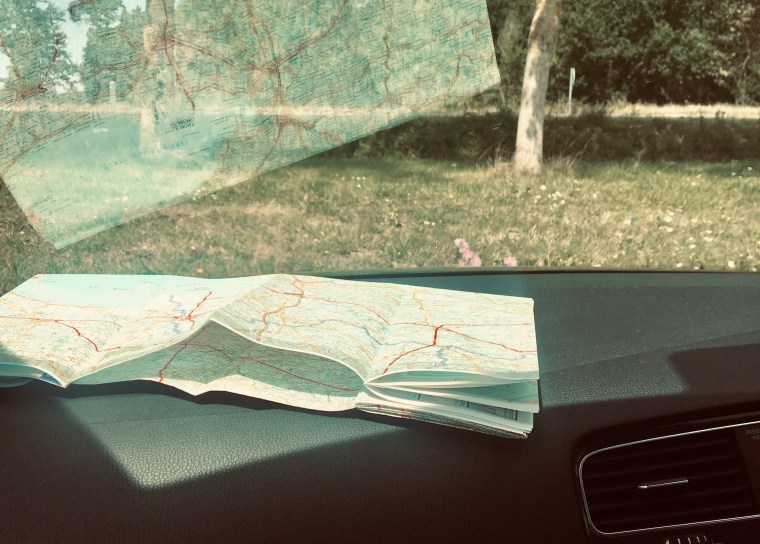
In addition to my emotional fondness for French road trips, I have also learned as I have grown up that they are quite a logical option for an inexpensive holiday. Often, using the Eurotunnel or catching the ferry is a cheaper option than flying, you can bring as much luggage as you need (or that can fit in the car) and driving from England removes any local transport issues if you are staying somewhere rural (especially if you’re under 25 and are unable to rent a car). For these reasons, as well as my personal partisanship for driving, my boyfriend and I decided to road trip to Rennes over a weekend in August 2019.
We took an early crossing from Portsmouth to Ouistreham, Normandy and booked a cabin on the ferry to recover from the early start and relax away from large families with excited children who occupied the cafe areas. Once disembarked, we commenced the shortish (2 hour) drive to Rennes. As far as road trips go, it is not the longest or most flamboyant, as it is mostly motorways, but it is comfortable, calm and a very convenient getaway.


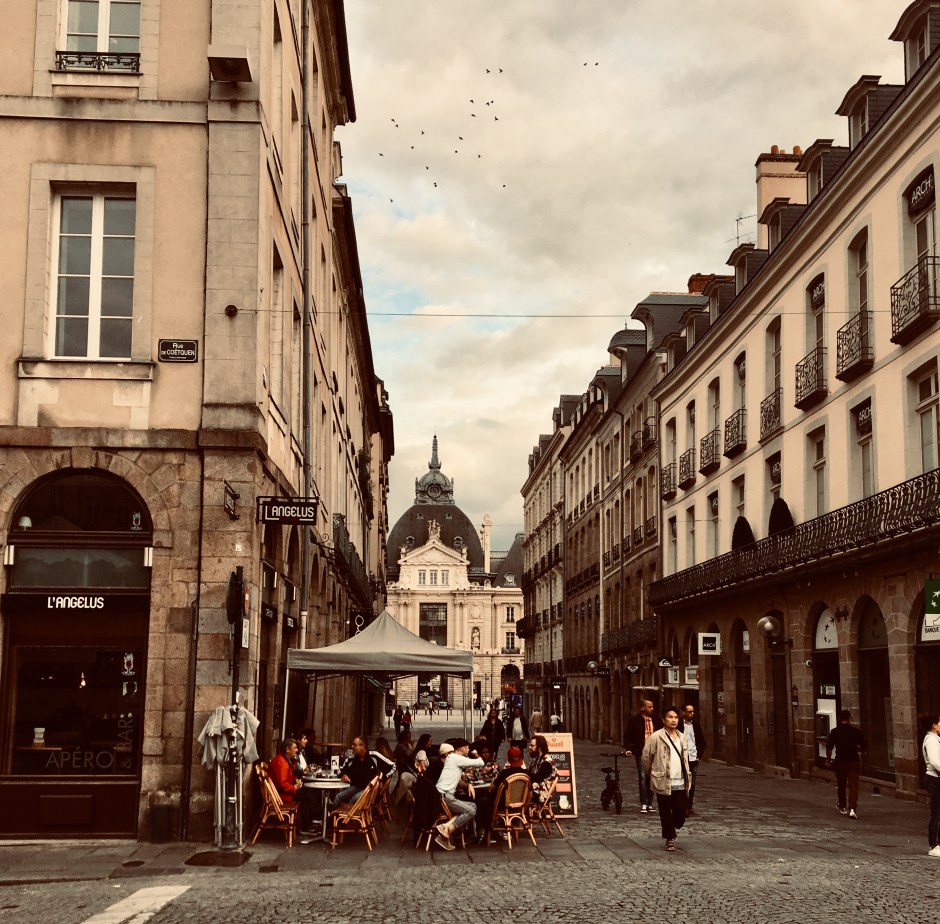
Rennes is the capital of France’s northern region, Brittany, and it is steeped in medieval splendour. As a converging point between other important northern towns, Rennes has upheld an important geographic location since its purpose as a Roman settlement. The half-timbered houses act as a reminder of this medieval prominence, while the streets below bustle with busy bars and the vibrance of the cultural scene.
While Rennes is a reasonably big city, it is also manageable to walk and explore over a couple of days. The cobbled streets of the medieval sector, combined with two large central squares (Place du Parlement de Bretagne and Place de la Marie) and the concrete newer builds (decorated with the odd piece of graffiti) on the outskirts of the centre provide the city with a typically French feel. The narrow alleyways lined with low-ceilinged cafés and restaurants, conversely, are distinctly unique and offer a lively nightlife (helped by the student population) even in the low season.
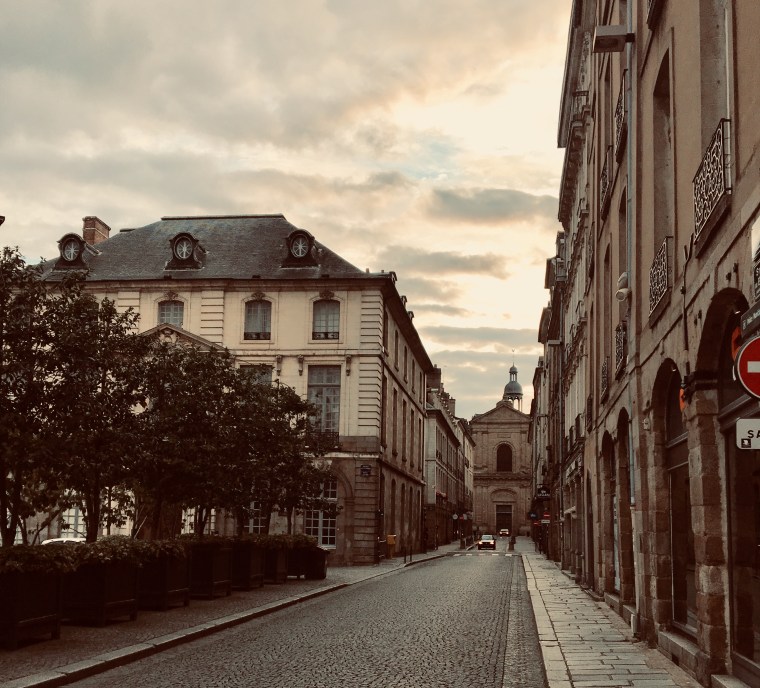
We arrived on the 15th August – Assumption Day – and a French public holiday. Despite understanding that this was a bank holiday, we were still surprised by the emptiness of the city centre and we were unprepared for the closure of supermarkets, with only a few restaurants taking tables. We, along with a few other displaced tourists, took to wandering the streets to find a restaurant with a free table. If we weren’t so hungry, this would have been a traveller’s dream. No throngs of tourists to elbow past, clear views down the architecturally captivating streets and the ability to soak up the city with space to breathe.
As it happened, however, we were weary and famished, and in desperate need of some dinner. We managed to squeeze in for a late sitting at La Casa Pépé and a carafe of wine and two wood-fired pizzas later, our hunger was abated and we were in full holiday mode.
Naturally, our whole getaway was a budget gastronomic dream: on-the-go breakfasts of coffee and croissants, lunches comprised of baguette and charcuterie from the local supermarket, the hotel cocktail hour became a staple occurrence and dinners in the town centre were affordable but delicious. In addition to La Casa Pépé, we also dined at Le Beouf au Balcon and Le P’tit Baigneur, both found on Rue Rallier du Baty in rickety medieval townhouses. For brunch, however, a fashionable must-go is Oh My Biche. They’re menu changes seasonally, but will often include sweet and savoury dishes, along with popular culinary street-trends.


Staying in Rennes at Hotel Spa Saint Antoine meant we were walking distance to all restaurants, museums and markets, but it also meant we had access to a small pool and a parking space; little luxuries that really transforms the getaway into a holiday. Due to an error with the lift mechanism to descend to the hotel parking, however, we had to find parking elsewhere. A slight stress in a new location, but luckily the local train station had spaces free and we were able to easily park while still being close to the hotel.
Having a parking space, or knowing where to park, renders day-trips smooth and effortless. We were able to get out of the city knowing we could return and park easily before dinner. While based in Rennes, we ventured out across the country roads to explore the rural town Châteaubriant, it’s 11th-Century castle, and it’s sleepy surrounds. The River Vilaine runs through Rennes, but its valley in the outskirts of the town provide the opportunity to appreciate the body of water without the urban cityscape. The towpath at Le Boël is peaceful and serene, and offers the perfect opportunity to take in the countryside en Bretagne.


Having an overnight crossing back to Portsmouth allowed us a full day of road-trip stop-offs. After leaving Rennes, we braved the intensity of Mont Saint-Michel. An incredibly interesting island commune off of the coast of Brittany, but also a tourist-hotspot with crowds so thick and cafés so expensive it is suffocating. We went, we saw, we survived, we are unlikely to return again in peak season. Instead of spending the afternoon on Mont Saint-Michel as planned, we headed across the coast to Houlgate, Normandy.
Houlgate is one of the towns I holidayed in as a child and it only holds fond memories: afternoons playing ping pong, morning walks along the beach, exploring the extravagant Victorian houses dotted through the town, hours and hours of swimming and scrumptious seaside dinners of steak-frites.


Watching the sun set over Houlgate beach, ‘Schtroumpf’ ice-cream in hand and with a full belly of moules, was therefore the perfect way to end this weekend getaway. We indulged in the history and culture of Rennes, explored its surroundings, ate so much food and truly felt we had escaped the hubbub of our everyday lives.
I’m sure this sense of relaxation and calm was facilitated by the ability to travel in the privacy of our own car. We could elude the crowds of Mont Saint-Michel with the snap of a finger, and we could venture into Brittany’s countryside with ease. It’s true what they say: driving holidays truly feed into a sense of adventure and the feeling of freedom is quite incomparable.
All pictures are my own unless otherwise credited. Permission must be obtained before any reproduction and credit must be issued in any reproduction.


 Under The Cypress Tree