Road Trip to Rennes

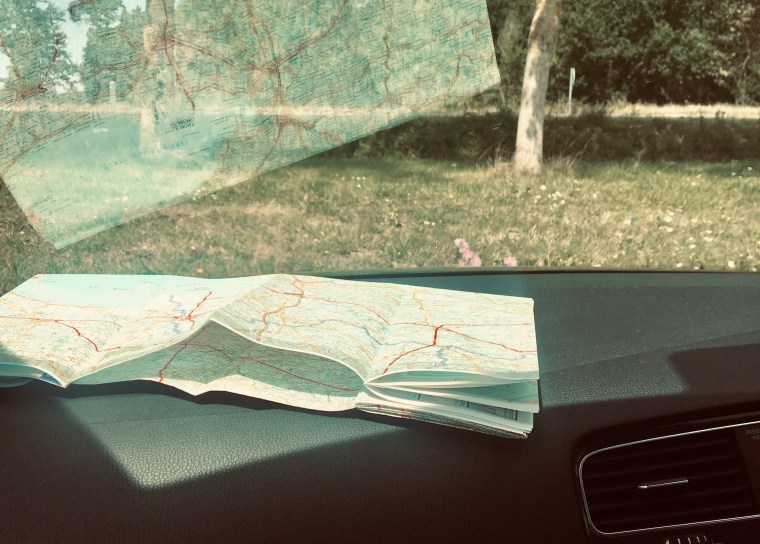
The thought of road tripping instantly conjures images of captivating scenery, romantic getaways, impulsive decision-making as well as notions of freedom, escape and exploration. Anyone who has ever been on a road trip, however, will know that there will also be long stretches of motorway, frustrating wrong turns and the craving for a proper meal, not to mention the numb bums and stiff legs.

Despite these perhaps off-putting aspects, road trips for me will always be nostalgic. For many years, driving to France was our staple family holiday. Whether we were heading to the south, or hiring a mobile home in Normandy, the memories of early mornings packing up the car, my brother and I sitting with our pillows and cuddly toys in the back seat and speeding down the empty motorway to Portsmouth will forever bring me warmth and comfort.
IMG_0948

In addition to my emotional fondness for French road trips, I have also learned as I have grown up that they are quite a logical option for an inexpensive holiday. Often, using the Eurotunnel or catching the ferry is a cheaper option than flying, you can bring as much luggage as you need (or that can fit in the car) and driving from England removes any local transport issues if you are staying somewhere rural (especially if you’re under 25 and are unable to rent a car). For these reasons, as well as my personal partisanship for driving, my boyfriend and I decided to road trip to Rennes over a weekend in August 2019.

We took an early crossing from Portsmouth to Ouistreham, Normandy and booked a cabin on the ferry to recover from the early start and relax away from large families with excited children who occupied the cafe areas. Once disembarked, we commenced the shortish (2 hour) drive to Rennes. As far as road trips go, it is not the longest or most flamboyant, as it is mostly motorways, but it is comfortable, calm and a very convenient getaway.


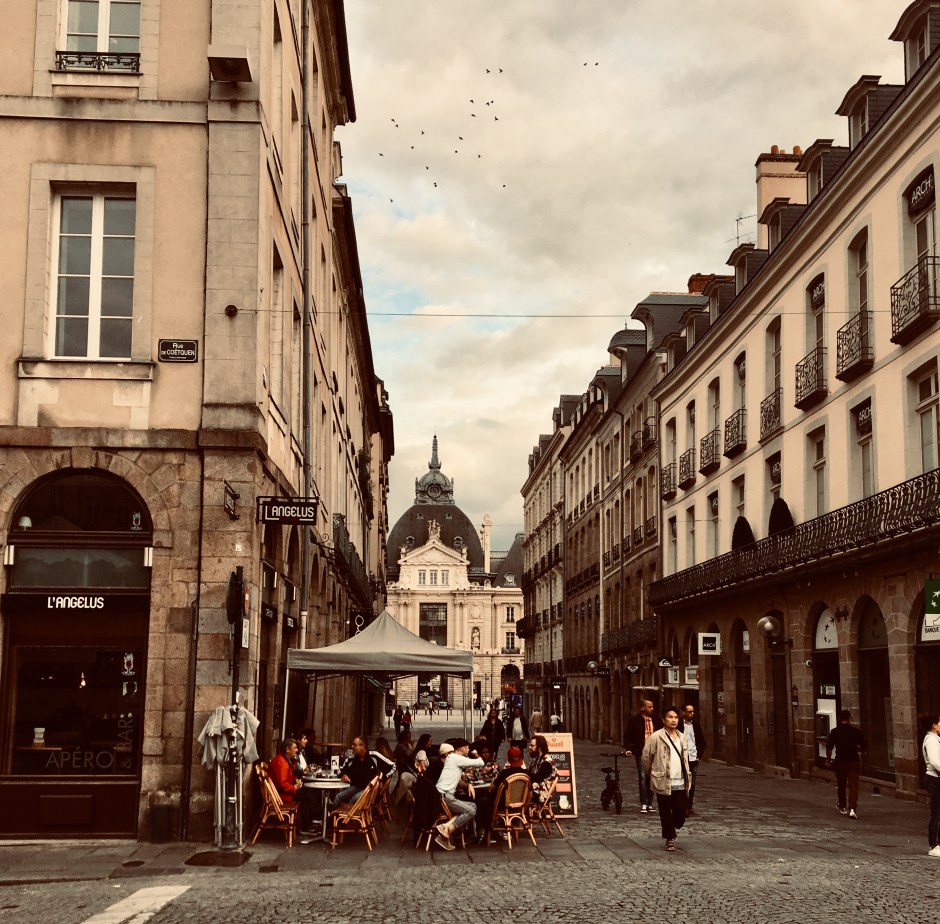
Rennes is the capital of France’s northern region, Brittany, and it is steeped in medieval splendour. As a converging point between other important northern towns, Rennes has upheld an important geographic location since its purpose as a Roman settlement. The half-timbered houses act as a reminder of this medieval prominence, while the streets below bustle with busy bars and the vibrance of the cultural scene.

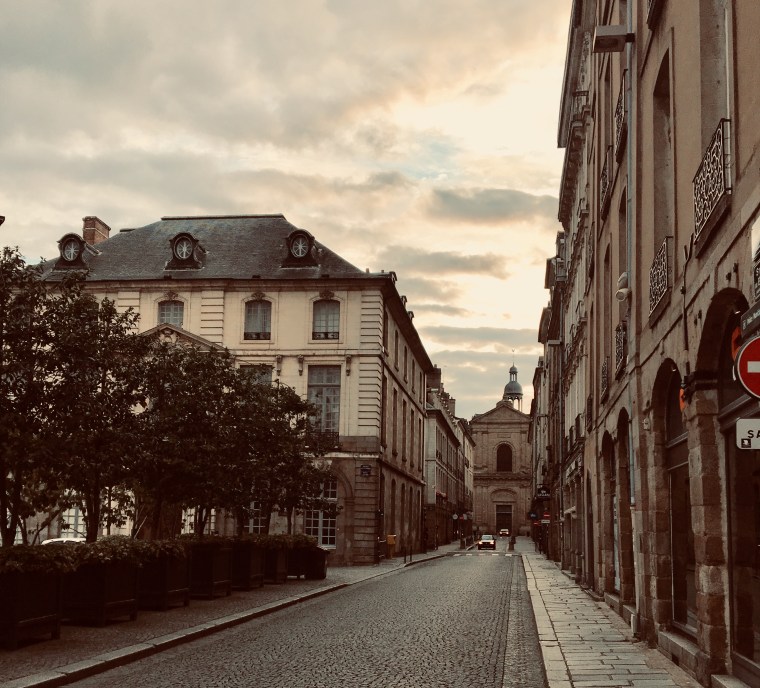
While Rennes is a reasonably big city, it is also manageable to walk and explore over a couple of days. The cobbled streets of the medieval sector, combined with two large central squares (Place du Parlement de Bretagne and Place de la Marie) and the concrete newer builds (decorated with the odd piece of graffiti) on the outskirts of the centre provide the city with a typically French feel. The narrow alleyways lined with low-ceilinged cafés and restaurants, conversely, are distinctly unique and offer a lively nightlife (helped by the student population) even in the low season.
IMG_7481

We arrived on the 15th August – Assumption Day – and a French public holiday. Despite understanding that this was a bank holiday, we were still surprised by the emptiness of the city centre and we were unprepared for the closure of supermarkets, with only a few restaurants taking tables. We, along with a few other displaced tourists, took to wandering the streets to find a restaurant with a free table. If we weren’t so hungry, this would have been a traveller’s dream. No throngs of tourists to elbow past, clear views down the architecturally captivating streets and the ability to soak up the city with space to breathe.

As it happened, however, we were weary and famished, and in desperate need of some dinner. We managed to squeeze in for a late sitting at La Casa Pépé and a carafe of wine and two wood-fired pizzas later, our hunger was abated and we were in full holiday mode.

Naturally, our whole getaway was a budget gastronomic dream: on-the-go breakfasts of coffee and croissants, lunches comprised of baguette and charcuterie from the local supermarket, the hotel cocktail hour became a staple occurrence and dinners in the town centre were affordable but delicious. In addition to La Casa Pépé, we also dined at Le Beouf au Balcon and Le P’tit Baigneur, both found on Rue Rallier du Baty in rickety medieval townhouses. For brunch, however, a fashionable must-go is Oh My Biche. They’re menu changes seasonally, but will often include sweet and savoury dishes, along with popular culinary street-trends.


Staying in Rennes at Hotel Spa Saint Antoine meant we were walking distance to all restaurants, museums and markets, but it also meant we had access to a small pool and a parking space; little luxuries that really transforms the getaway into a holiday. Due to an error with the lift mechanism to descend to the hotel parking, however, we had to find parking elsewhere. A slight stress in a new location, but luckily the local train station had spaces free and we were able to easily park while still being close to the hotel.

Having a parking space, or knowing where to park, renders day-trips smooth and effortless. We were able to get out of the city knowing we could return and park easily before dinner. While based in Rennes, we ventured out across the country roads to explore the rural town Châteaubriant, it’s 11th-Century castle, and it’s sleepy surrounds. The River Vilaine runs through Rennes, but its valley in the outskirts of the town provide the opportunity to appreciate the body of water without the urban cityscape. The towpath at Le Boël is peaceful and serene, and offers the perfect opportunity to take in the countryside en Bretagne.


Having an overnight crossing back to Portsmouth allowed us a full day of road-trip stop-offs. After leaving Rennes, we braved the intensity of Mont Saint-Michel. An incredibly interesting island commune off of the coast of Brittany, but also a tourist-hotspot with crowds so thick and cafés so expensive it is suffocating. We went, we saw, we survived, we are unlikely to return again in peak season. Instead of spending the afternoon on Mont Saint-Michel as planned, we headed across the coast to Houlgate, Normandy.

Houlgate is one of the towns I holidayed in as a child and it only holds fond memories: afternoons playing ping pong, morning walks along the beach, exploring the extravagant Victorian houses dotted through the town, hours and hours of swimming and scrumptious seaside dinners of steak-frites.


Watching the sun set over Houlgate beach, ‘Schtroumpf’ ice-cream in hand and with a full belly of moules, was therefore the perfect way to end this weekend getaway. We indulged in the history and culture of Rennes, explored its surroundings, ate so much food and truly felt we had escaped the hubbub of our everyday lives.

I’m sure this sense of relaxation and calm was facilitated by the ability to travel in the privacy of our own car. We could elude the crowds of Mont Saint-Michel with the snap of a finger, and we could venture into Brittany’s countryside with ease. It’s true what they say: driving holidays truly feed into a sense of adventure and the feeling of freedom is quite incomparable.


All pictures are my own unless otherwise credited. Permission must be obtained before any reproduction and credit must be issued in any reproduction.

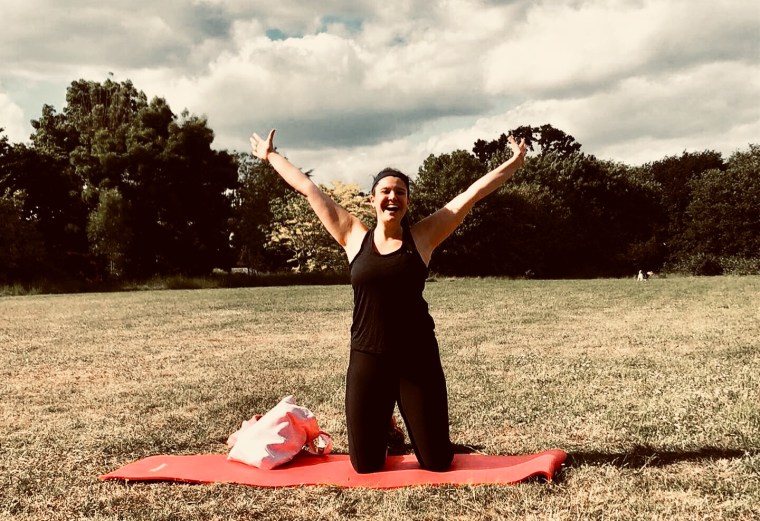


The 90 Day Plan: Fit, Healthy and Happy

In April 2020, I started the Body Coach’s (Joe Wicks) 90 Day Plan. He pitches his plan as a way to get fitter, healthier and happier. Now just to be clear, I already felt pretty happy in my body: I did not start this journey to look a certain way or to comply to any societal body standards. I did, however, really want to get fitter, healthier and stronger.

My activity levels have always been always quite low, but during lockdown it seriously slumped. I moved from bed, to dining-table-turned-desk, back to bed. Stopping off by the fridge along the way. I was worried about my fitness levels and about my body’s ability to fight infection, and decided I needed to make a change.

The 90 Day Plan is comprised of three cycles, each four weeks long. Every month, upon submitting your measurements and pictures, you receive more recipes and slightly harder workouts. The premise is to eat three meals a day, plus two snacks, consume at least 2.5ml of water and to workout five times a week. On workout days you eat either one or two ‘Carb-Refuel’ meals, and the rest of the time the meals are ‘Reduced-Carb’. Your portion sizes are determined by the information that you submit at the start, and all you have to do is follow the recipe instructions and weigh out your ingredients. There is no calorie counting and no macros tracking on your part, it is all done for you.

This plan is food and health based. It is not about restrictive eating or cutting out whole food groups. Instead, it is centred on finding a sustainable way to live healthily long term. This is more of a lifestyle change than a faddy weight loss scheme and it is so much more effective than any other crash diets.

F2ED9A6B-D479-4594-AE43-1448B6B64D85

Cycle One

Starting the plan takes determination and commitment. You need to be wholeheartedly on board and dedicated to making a change. I desperately wanted to prove to myself that having a healthy lifestyle was not only possible, but also manageable and enjoyable, so from the outset I was ready to win.

I quickly learnt that I didn’t have to eat less, just differently, and understanding this key element became a big motivator. I felt energised having only one ‘Carb-Refuel’ meal and exercising five times a week lead to better nights’s sleep and a consistently positive outlook, all while feeling full, content and happy.

Don’t get me wrong, the workouts were tough. Mountain climbers will never be my friend. But moving through the same workouts each week, I could feel myself getting stronger, I was able to better control my breathing and at no point did I feel disheartened, inadequate or incompetent. I showed up, did my best, worked up a sweat and it felt really good.

I’d never really lost weight before, only gained it slowly over the years, so I had no idea what to expect. I found myself searching for change in the mirror – is my jaw more pronounced? Do my thighs have less dimples? Is my waist thinner? As this overanalysing entered the third week of the plan, I realised that a) in what world would I see healthy changes after only two weeks, and b) what I was searching for is what society is saying I should look like.

For someone who has always been quite body positive, this recognition surprised me: I had been caught out by the weight-loss obsession. I swiftly had to change my perspective. In my mind, I no longer associated weight-loss with visual appearance, and instead equated it to health and physical well-being. Instead of looking for visual changes, I began to focus on the changes I was feeling. Looking good comes from feeling good, not the other way around.

Cycle Two

Having got to grips with the main concepts in Cycle One (food prep, carb-refuel, positive thinking, consistent exercise), Cycle Two posed some different challenges: two carb-refuel meals and resistance training.

While this Cycle is often berated by people who feel bloated and sluggish, I quite enjoyed the extra carbs. Who am I to deny both porridge and pasta in one day?! I did find that there were fewer recipes that suited me, although the ones I did make were delicious and are now firm favourites. Despite the initial joy of the increased carbs, I wasn’t as energised as Cycle One. Whether or not this is directly related to the carbs is debatable: it could have been the warmer weather, the everlasting lockdown or just a slight sense of boredom. Nevertheless, I persisted and succeeded in smashing the Cycle regardless.

Resistance training was by far the best part development. The slower pace of the workouts, increasing my weights and generally feeling stronger made the whole Cycle worthwhile. Also, learning how to use dumbbells and the correct terms for the exercises debunked any remaining irrational fear of working out. Strong not skinny, folks. Always.

If you’re currently stuck on what feels like an uphill battle in Cycle Two – keep going. It gets better. You can do it.

Cycle Three

Reaching Cycle Three felt like a big accomplishment. The end was in sight and everything was starting to feel more natural. Good habits were in the making, good food was being consumed and good workouts were being exercised almost daily. This Cycle was more about pushing on to the end than any other hurdle. Although that two minute burpee challenge played definitive mind games.

With the 90 day benchmark drawing closer, I was able to think outside of the plan. What would be my next steps? How could I realistically continue this? I know I needed structure so opted for the Grad Plan, but also craved new and different challenges. Towards the end of this Cycle, I started setting my own workouts, began being more adventurous with my CYO (create your own) meal options and decided to embark on Couch to 5k.

I knew that over time a few treats might sneak their way back into my life (Gin and cake, I’m looking at you), but I also knew that I was insanely happy with my progress, that I’d learnt about moderation and that I’d always be willing to get out and exercise after any deviation.

So here we are: 90 Days Later, 8.5kg down, 18.5 inches smaller and a great deal fitter and stronger. So instead of focussing on the numeric losses, I like to focus more on the non-scale (and most important) victories. Namely: 40 seconds of mountain climbers, 1 minute plank, 2 minutes of chest-to-floor burpees, a whole lotta confidence and a much healthier lifestyle.

I’m excited to continue my journey, to maintain my weight and to be more adventurous. Knowing my body’s boundaries and being in tune with its capabilities has opened a whole world of opportunities I struggled to consider before. Skiing, hiking and water-sporting holidays are on the cards. Knowing my organs and immune system are healthy and supported by my lifestyle choices abates that fear of crippling infection. And exercising in just leggings and a crop top no longer feels ground-breaking. It’s wins all round my friends, and I’m not afraid to say I’m proud of myself for sticking with it to the end. What a bloody good thing to come out of lockdown.


TOP TIPS

  1. Planning is key. Try your best to plan out your whole week of food and exercise. For many people, the freezer is their best friend. I have a very small freezer and only cook for myself so didn’t really need to batch cook – but for those with families or hectic schedules it could be a lifesaver.
  2. Keeping up the water intake is tough, but necessary. Try taking little sips regularly, rather than big gulps ever hour. This will help reduce your need to go to the toilet so often.
  3. Tidy up as you go. There will be a lot of washing up. If you’re eating healthily, you’ll be preparing a lot of meals from scratch morning, noon and night. I love cooking and really enjoyed being in the kitchen, but it is so important to take 10 mins to prepare your workspace first. Make sure there’s room in the dishwasher/ on the draining board, clear up and wipe surfaces while the food is cooking, and at the end of the day try to have a clear space to make breakfast in the morning.
  4. Bloating is totally natural. In the early stages of the plan, your body will be adjusting to the different types of foods in different quantities. Don’t panic if you think the plan isn’t working – give your body time to settle.
  5. Don’t forget about period bloating. For women, you can bloat for up to a week before, during and up to a week after your period. During our periods our bowel works slower due to the ‘contractions’ (period pains) oscillating between the upper end of the uterus, down to the cervix. Also, the reduction of the hormone progesterone before your period starts leads to water and salt retention. All these factors lead to that feeling of bloating and sluggishness. I learnt about this here, a more detailed explanation can be found here.
  6. You do you. Your fitness journey is about you, your health and your happiness. It’s okay to make the odd judgement call or to deviate slightly. You can absolutely smash it, and you can absolutely do it your way.
  7. Protein powder is not a necessity. Some people swear by it, some people don’t. I personally didn’t use it, and I don’t think it hindered my progress. This is an extension of my previous tip: you do you.
  8. Stay off the sad step, seriously. What is your weight on the scales going to tell you? Is it going to indicate how much better you are at squat jumps? Or how much muscle you’ve gained? Is it going to show you how much more energised you are or how much more sleep your getting? The number on the scales is literally just a number – and it’s hard to step away after years of being conditioned that it defines you. But I can promise that it doesn’t and that your worth, success and happiness does not depend on it.
  9. Don’t sweat the small stuff. Don’t get hung up on small hurdles, try not to worry about how fast (or slow) your progress is. Be proud of yourself for making it this far and set small, achievable goals.
  10. Looking good comes from feeling good. If you are feeling great, feeling positive and feeling confident, you will glow. Whether you’re curvy, petite, plus-size or thin, if you feel amazing, you will know you look amazing, and once you embrace this, you’ve already won.

To follow my journey further, and for a variety of positive, cozy vibes, follow me on Instagram: annarose345.


All pictures are my own unless otherwise credited. Permission must be obtained before any reproduction and credit must be issued in any reproduction.